What Happens to Your Uterus After Embolization?
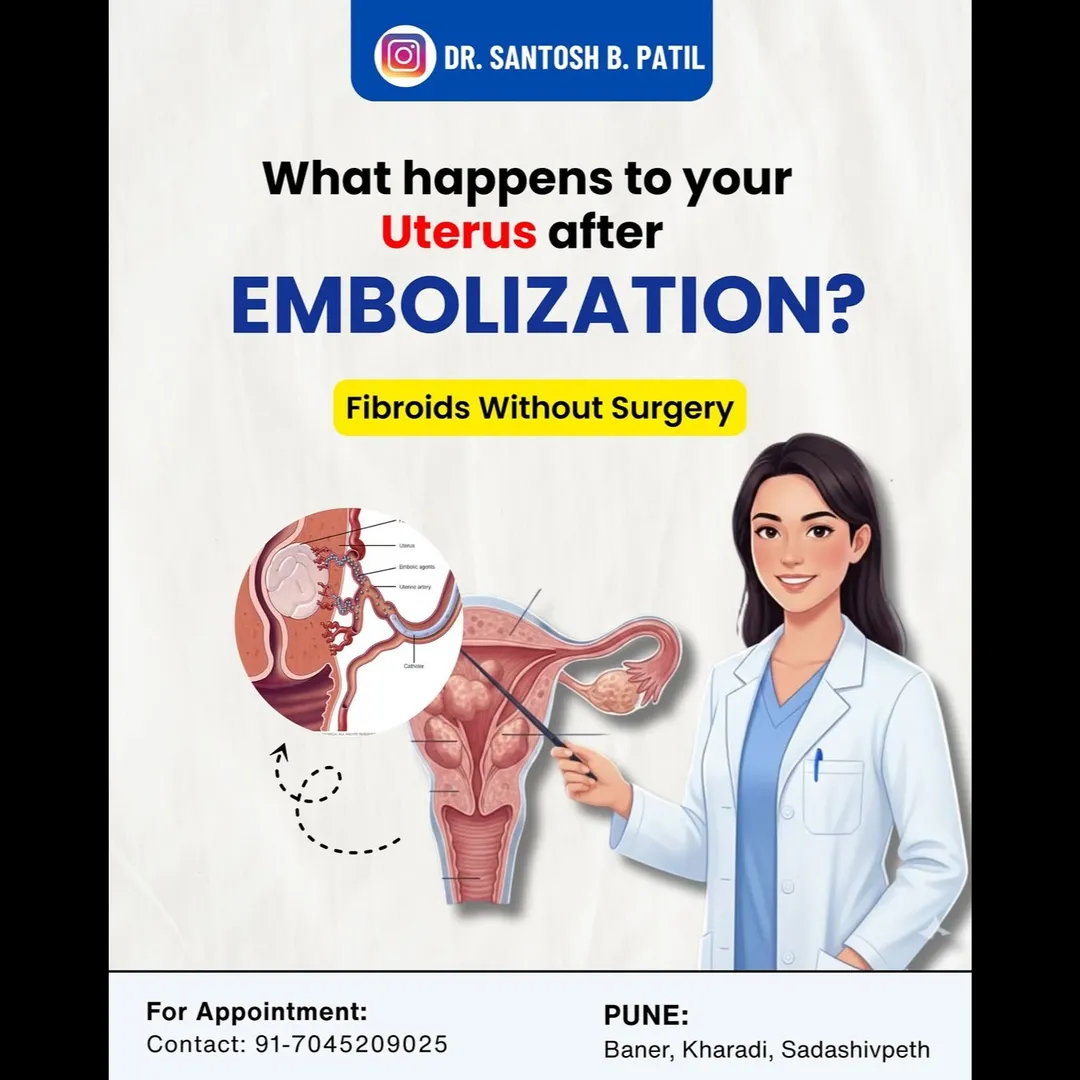
Uterine Fibroid Embolization (UFE), also known as embolization, is a minimally invasive procedure designed to treat uterine fibroids while preserving the uterus. After embolization, the uterus remains intact and functional, while fibroids undergo changes that provide long-term symptom relief.
Once the blood supply to fibroids is blocked, they gradually shrink and soften over the following weeks and months. As a result, symptoms such as heavy menstrual bleeding, pelvic pain, pressure, bloating, and frequent urination begin to reduce significantly.
Healthy uterine tissue continues to receive adequate blood flow, allowing natural healing. Over time, the uterus often returns closer to its normal size, improving comfort and quality of life without the need for major surgery or uterus removal.
Most women experience faster recovery, minimal scarring, and a quicker return to daily activities compared to surgical options like hysterectomy. Embolization is a safe, effective, and uterus-sparing option for women seeking long-lasting fibroid relief.
Keywords