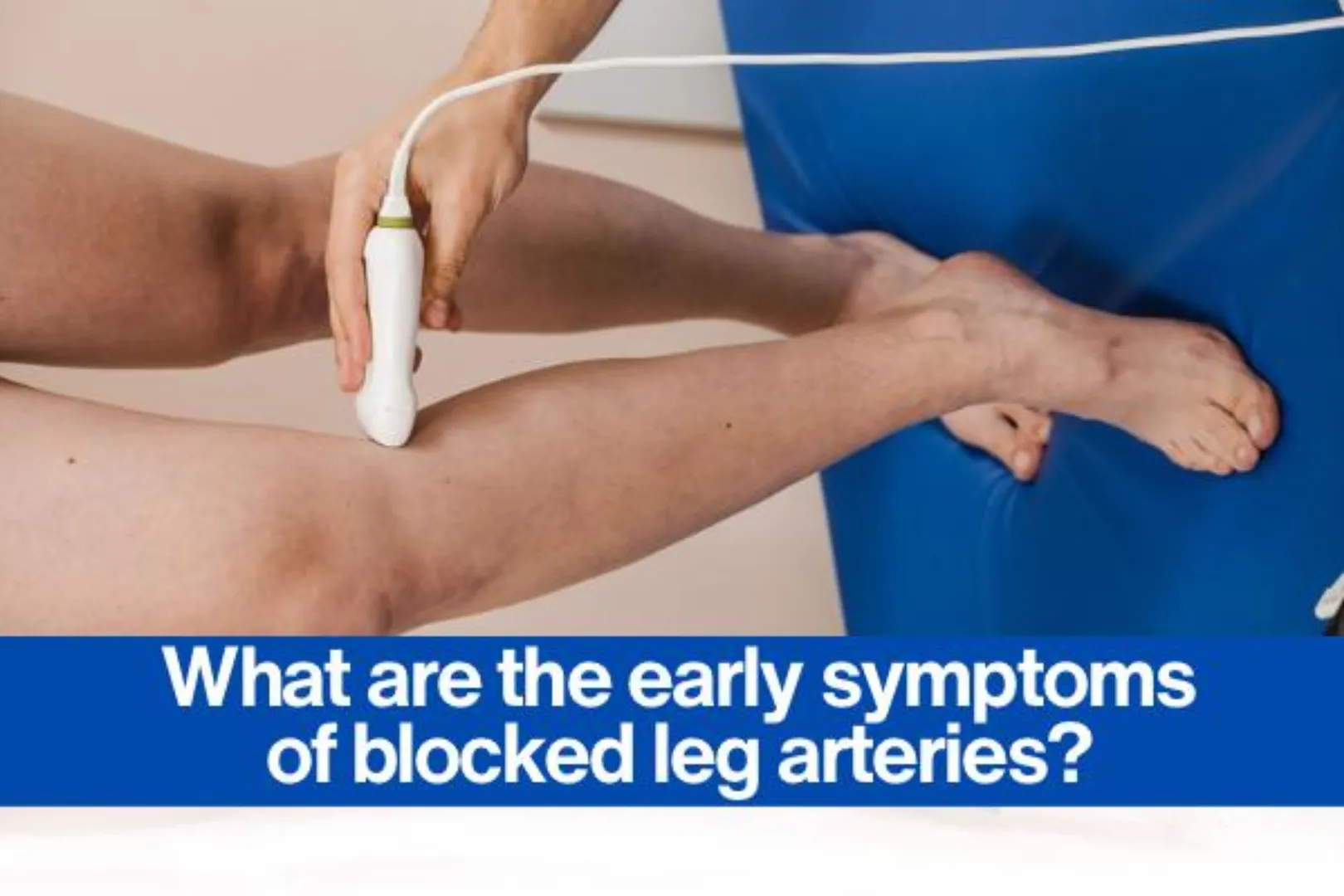
What are the early symptoms of blocked leg arteries?
It usually starts small. A cramp in the calf during a walk, gone by the time you sit down. That's often the first real sign of peripheral artery disease, though most people write it off as ordinary tiredness for months before anything else prompts a second look.
The pattern matters here. Pain shows up with activity, calf, thigh, sometimes the hip, and eases once you rest. That exertion-then-relief cycle is fairly specific to reduced blood flow, unlike general fatigue which doesn't follow such a clean rhythm.
Cold feet are another giveaway, often noticeably cooler than the rest of the leg. Skin can look pale, occasionally with a faint blue tinge. Some patients describe numbness or a tingling sensation, frequently mistaken for having sat in one position too long.
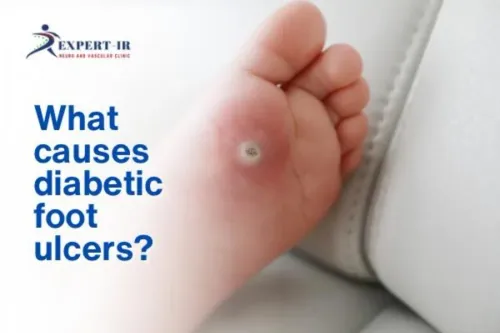
Slow healing matters too, and it's easy to miss. A small cut on the foot that just won't close within the usual week or two often signals that blood isn't reaching the area properly.
There are quieter signs as well. Hair thinning on the lower legs. Toenails growing more slowly, or thicker than they used to. Most people chalk both up to age.
We tend to see patients only once the cramping starts genuinely interfering with daily walking, though earlier evaluation almost always leads to better outcomes. Smoking, diabetes, high blood pressure, high cholesterol, age, these all push risk higher.
Left alone, blocked arteries can progress toward tissue damage, and in severe cases, complications that threaten the limb itself.
If walking triggers cramping, or your feet stay cold and heal slowly, it's worth getting circulation checked. Dr. Santosh Patil, an interventional radiologist in Pune, can assess what's going on and what to do next.
It usually starts small. A cramp in the calf during a walk, gone by the time you sit down. That's often the first real sign of peripheral artery disease, though most people write it off as ordinary tiredness for months before anything else prompts a second look.
The pattern matters here. Pain shows up with activity, calf, thigh, sometimes the hip, and eases once you rest. That exertion-then-relief cycle is fairly specific to reduced blood flow, unlike general fatigue which doesn't follow such a clean rhythm.
Cold feet are another giveaway, often noticeably cooler than the rest of the leg. Skin can look pale, occasionally with a faint blue tinge. Some patients describe numbness or a tingling sensation, frequently mistaken for having sat in one position too long.
Slow healing matters too, and it's easy to miss. A small cut on the foot that just won't close within the usual week or two often signals that blood isn't reaching the area properly.
There are quieter signs as well. Hair thinning on the lower legs. Toenails growing more slowly, or thicker than they used to. Most people chalk both up to age.
We tend to see patients only once the cramping starts genuinely interfering with daily walking, though earlier evaluation almost always leads to better outcomes. Smoking, diabetes, high blood pressure, high cholesterol, age, these all push risk higher.
Left alone, blocked arteries can progress toward tissue damage, and in severe cases, complications that threaten the limb itself.
If walking triggers cramping, or your feet stay cold and heal slowly, it's worth getting circulation checked. Dr. Santosh Patil, an interventional radiologist in Pune, can assess what's going on and what to do next.
Keywords