DVT vs muscle pain: How can you tell the difference?
Leg pain has plenty of causes, but two get confused often, and only one counts as a medical emergency.
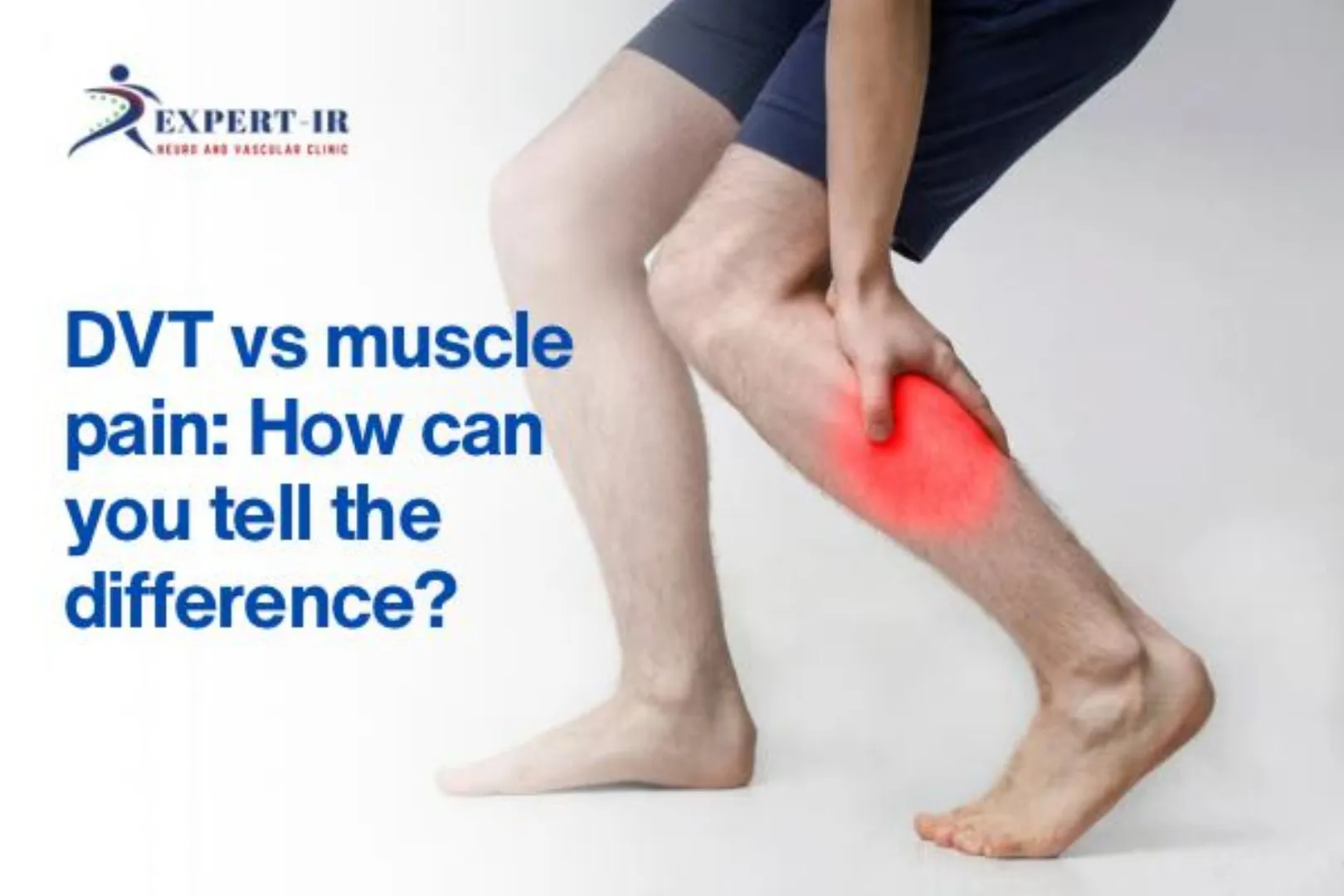
Ordinary muscle pain, the kind from overuse or a hard workout, usually feels sore or tight rather than sharp. Rest tends to help within a few days. Pressing on the area often reproduces the pain, and movement makes it worse temporarily, then eases off. Stretching and basic rest are generally enough.
DVT doesn't follow that pattern. Deep vein thrombosis usually shows up as swelling in one leg only, paired with warmth, redness, or a heavy, dragging ache that rest doesn't touch. Some patients notice the skin looking slightly discoloured too. Where muscle soreness fades with time, DVT pain tends to build, sometimes over just a day or two.
One sided swelling is worth paying attention to specifically. Muscle soreness from running or leg day at the gym almost always affects both legs to some degree. DVT rarely does.
Certain risk factors raise the stakes considerably, long haul flights, recent surgery, extended bed rest, pregnancy, some medications. None of these have much bearing on ordinary muscle strain.
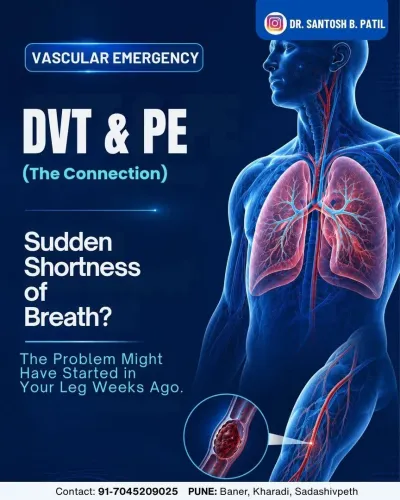
The real concern with untreated DVT isn't just leg discomfort. The clot itself can break loose and travel to the lungs, causing a pulmonary embolism, which is genuinely life threatening and requires immediate attention.
Swelling, warmth, or redness confined to one leg is reason enough to get checked rather than assume it's muscular.
Dr. Santosh Patil, an interventional radiologist in Pune, can assess symptoms properly and determine whether urgent evaluation is needed.
Leg pain has plenty of causes, but two get confused often, and only one counts as a medical emergency.
Ordinary muscle pain, the kind from overuse or a hard workout, usually feels sore or tight rather than sharp. Rest tends to help within a few days. Pressing on the area often reproduces the pain, and movement makes it worse temporarily, then eases off. Stretching and basic rest are generally enough.
DVT doesn't follow that pattern. Deep vein thrombosis usually shows up as swelling in one leg only, paired with warmth, redness, or a heavy, dragging ache that rest doesn't touch. Some patients notice the skin looking slightly discoloured too. Where muscle soreness fades with time, DVT pain tends to build, sometimes over just a day or two.
One sided swelling is worth paying attention to specifically. Muscle soreness from running or leg day at the gym almost always affects both legs to some degree. DVT rarely does.
Certain risk factors raise the stakes considerably, long haul flights, recent surgery, extended bed rest, pregnancy, some medications. None of these have much bearing on ordinary muscle strain.
The real concern with untreated DVT isn't just leg discomfort. The clot itself can break loose and travel to the lungs, causing a pulmonary embolism, which is genuinely life threatening and requires immediate attention.
Swelling, warmth, or redness confined to one leg is reason enough to get checked rather than assume it's muscular.
Dr. Santosh Patil, an interventional radiologist in Pune, can assess symptoms properly and determine whether urgent evaluation is needed.
Keywords